
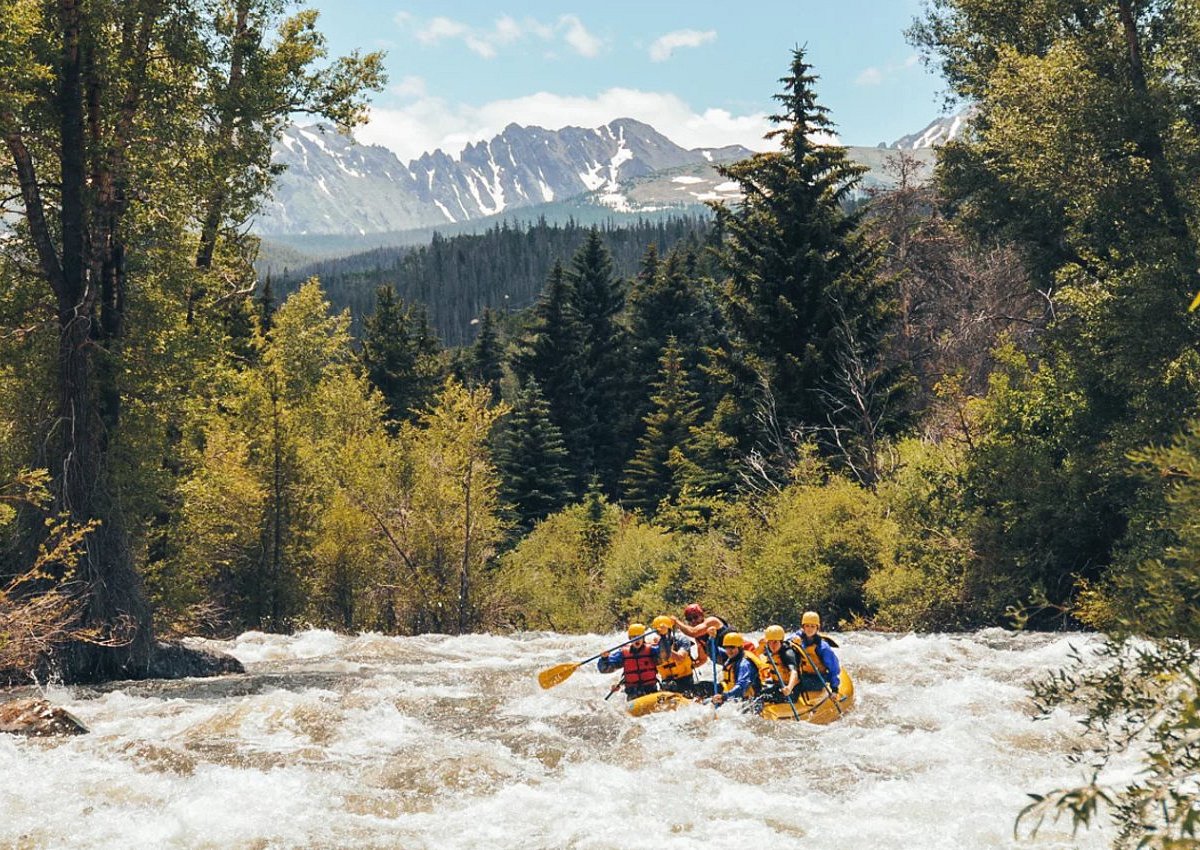
Planning a whitewater adventure in the Colorado Rockies requires careful preparation, especially when you’re heading to one of the state’s premier mountain destinations. The area surrounding this high-altitude town offers some of the most thrilling river experiences in Colorado, with options suitable for everyone from first-timers to seasoned paddlers. Whether you’re visiting during peak snowmelt season or later in the summer, understanding how to properly plan your trip will ensure a safe and memorable experience on the water.
Choosing the Right Time of Year
Timing can make or break your river adventure. The prime season typically runs from late May through early September, with water levels and difficulty varying significantly throughout this window. Early season trips in May and June feature higher water levels from snowmelt, creating more intense rapids and faster currents that experienced rafters love.
If you’re new to the sport or bringing children along, consider planning your trip for July or August. The water levels moderate during these months, making for a more manageable experience while still providing plenty of excitement. Late summer also brings warmer air temperatures, which means you’ll be more comfortable even when you get splashed.
Keep in mind that weather in the mountains can be unpredictable. Even during summer, afternoon thunderstorms are common, so morning departures often provide the best conditions.
Selecting Your River and Difficulty Level
The region offers access to several world-class rivers, each with distinct characteristics. The Arkansas River, located about an hour away, is Colorado’s most popular rafting destination and features sections ranging from family-friendly Class II rapids to heart-pounding Class V challenges. The Blue River provides a closer option with scenic, moderate rapids perfect for beginners.
The Upper Colorado River offers another excellent choice, combining stunning canyon scenery with exciting Class III rapids. When researching rafting near Breckenridge, you’ll find that most outfitters clearly categorize their trips by difficulty level, making it easier to match your group’s experience and comfort level.
Don’t overestimate your abilities. Rapids are classified on a scale from I to VI, with Class III being the threshold where things get seriously exciting. First-timers should stick with Class II or III options.
Booking with a Reputable Outfitter
Selecting the right guide company is crucial for both safety and enjoyment. Look for outfitters with established track records, proper licensing, and excellent safety ratings. Read recent reviews from multiple sources to get an accurate picture of what to expect.
Most professional companies provide all necessary equipment, including life jackets, helmets, paddles, and wetsuits when needed. They should also employ experienced guides who know the rivers intimately and can handle emergencies. Ask about guide-to-guest ratios and what safety training their staff receives.
Booking in advance is highly recommended, especially for weekend trips during peak season. Many popular outfitters fill up weeks ahead of time, so planning early gives you better selection and often better pricing.
What to Wear and Bring
Proper attire makes a significant difference in your comfort level. Wear synthetic materials or wool that retain warmth when wet, and avoid cotton at all costs. Swimsuits work great as a base layer, with quick-dry shorts and a moisture-wicking shirt on top.
Secure footwear is essential. Water shoes, sport sandals with heel straps, or old sneakers that you don’t mind getting wet are all good options. Flip-flops and bare feet are dangerous and usually prohibited by outfitters.
Bring sunscreen, sunglasses with a retaining strap, and a waterproof camera if you want photos. Most outfitters provide dry bags for items like car keys and phones. Leave valuables at your accommodation when possible.
Preparing Physically and Mentally
While you don’t need to be an athlete, a basic level of fitness helps you enjoy the experience more fully. Rafting involves paddling, sometimes for extended periods, and you may need to help carry the boat short distances.
Listen carefully during the safety briefing. Your guide will explain paddling commands, what to do if you fall out, and how to position yourself in the boat. These instructions aren’t just formalities; they’re essential for everyone’s safety.
Approach the adventure with realistic expectations. You will get wet, possibly soaked. The water will be cold, especially early in the season. Rapids can be intimidating. But with proper preparation and a positive attitude, these challenges become part of the thrill.
Making the Most of Your Adventure
A river trip offers more than just adrenaline. Take moments between rapids to appreciate the incredible mountain scenery surrounding you. Many sections pass through stunning canyons with wildlife viewing opportunities.
Consider booking a half-day trip for your first experience, then upgrading to a full-day adventure if you love it. Full-day trips typically include a riverside lunch and access to more remote, scenic sections of river.
Planning a mountain rafting adventure requires attention to timing, proper outfitter selection, and adequate preparation. By following these guidelines, you’ll set yourself up for an unforgettable experience on Colorado’s magnificent rivers that you’ll want to repeat year after year.