
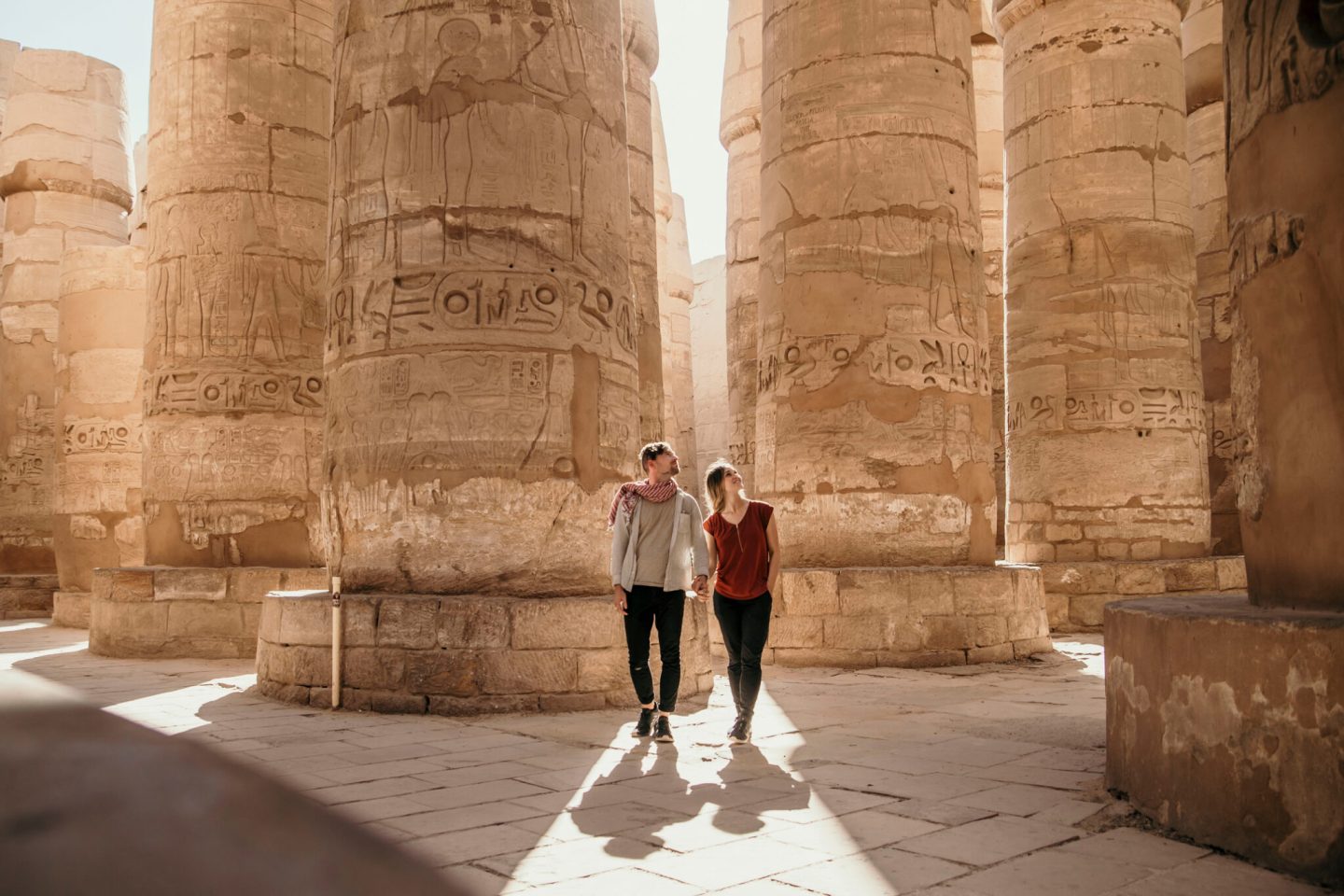
Egypt’s ancient pyramids stand as testament to one of history’s most fascinating civilizations. These architectural marvels continue to captivate millions of visitors each year, offering a glimpse into the ingenuity and ambition of the pharaohs who commissioned them. Whether you’re planning your first visit or returning to explore deeper, understanding the most impressive pyramids will help you make the most of your Egyptian adventure.
The Great Pyramid of Giza: The Last Ancient Wonder
The Great Pyramid of Khufu dominates the Giza plateau and remains the largest of all Egyptian pyramids. Built around 2560 BCE, this colossal structure originally stood at 481 feet and required approximately 2.3 million limestone blocks to complete. For nearly 4,000 years, it held the title of the world’s tallest man-made structure.
What makes this pyramid truly remarkable is the precision of its construction. The base covers 13 acres and is nearly perfectly level, with a margin of error of less than an inch. Inside, the Grand Gallery and the King’s Chamber showcase engineering sophistication that still puzzles researchers today.
Visitors can enter the pyramid through the original entrance or the tourist entrance created in the 9th century. The interior passageways are narrow and steep, but reaching the King’s Chamber provides an unforgettable experience of standing within this ancient wonder.
The Pyramid of Khafre: Guardian of the Sphinx
The second pyramid at Giza belongs to Pharaoh Khafre, son of Khufu. While slightly smaller than his father’s monument, it appears taller due to its elevated position on the plateau. The pyramid retains some of its original smooth limestone casing at the apex, giving visitors a sense of how all the pyramids once appeared.
Khafre’s pyramid complex includes the iconic Great Sphinx, which likely bears the pharaoh’s face. This limestone statue combines a lion’s body with a human head, stretching 240 feet long and standing 66 feet high. The relationship between the pyramid and Sphinx creates one of Egypt’s most photographed scenes.
The pyramid’s interior features a simpler design than Khufu’s, with fewer chambers and passageways. However, the burial chamber carved from bedrock demonstrates impressive stonework and provides insight into ancient burial practices.
The Pyramid of Menkaure: Smallest but Significant
The third major pyramid at Giza belongs to Pharaoh Menkaure and stands at approximately 213 feet. Though considerably smaller than its neighbors, this pyramid shouldn’t be overlooked. Its lower courses were originally cased in red granite, creating a striking visual contrast with the limestone above.
The pyramid’s interior reveals multiple chambers and an elaborately decorated sarcophagus, though it was lost at sea during transport to Britain in the 19th century. Archaeological excavations around the pyramid have uncovered remarkable statues and artifacts that provide valuable insights into Fourth Dynasty Egypt.
Many travelers who book Egypt luxury tours appreciate that Menkaure’s pyramid typically draws smaller crowds, allowing for a more intimate exploration experience. The pyramid complex includes three smaller queens’ pyramids, each with its own chapel and offering views across the desert.
The Bent Pyramid: An Architectural Experiment
Located at Dahshur, the Bent Pyramid represents Pharaoh Sneferu’s ambitious building program. This pyramid earned its name from the distinctive change in angle halfway up its sides, shifting from 54 degrees to 43 degrees. This adjustment likely occurred due to structural concerns during construction.
The Bent Pyramid is exceptionally well-preserved, retaining much of its original smooth limestone casing. This preservation allows visitors to see how the pyramids appeared when newly completed, gleaming brilliantly in the desert sun. The site also offers a quieter alternative to the bustling Giza plateau.
The Red Pyramid: First True Pyramid
Also at Dahshur, the Red Pyramid marks a significant achievement as Egypt’s first successful true pyramid. Named for the reddish hue of its limestone blocks, this pyramid demonstrates the lessons learned from earlier attempts. Its consistent 43-degree angle proved stable and became the standard for future pyramids.
The Red Pyramid’s interior chambers are among the most accessible and impressive in Egypt. The vaulted ceilings rise to heights of over 40 feet, showcasing corbelling techniques that would influence architecture for millennia. The descent into these chambers provides an authentic exploration experience without the crowds found at more famous sites.
Planning Your Pyramid Adventure
Visiting Egypt’s pyramids requires some preparation to maximize your experience. The best times to visit are early morning or late afternoon when temperatures are cooler and lighting is ideal for photography. Comfortable walking shoes are essential, as the terrain can be uneven and sandy.
Consider allocating at least two full days to properly explore the pyramids at Giza and Dahshur. Each site deserves several hours to fully appreciate the scale and details. Hiring a knowledgeable guide can greatly enhance your understanding of the historical and architectural significance of these monuments.
These magnificent structures continue to inspire wonder and curiosity thousands of years after their construction. Standing before these pyramids connects us to the ambitions, beliefs, and remarkable capabilities of ancient Egyptian civilization in ways that few other experiences can match.