
Clogged milk ducts are one of the most common breastfeeding challenges that can cause discomfort, swelling, and interrupted milk flow. While many parents focus on suction strength or feeding frequency, massage to prevent clogged ducts—especially when paired with warmth—can be a highly effective strategy. Applying gentle warmth and rhythmic motion to the breast encourages better circulation, promotes milk movement, and helps keep milk flowing freely through the ducts.
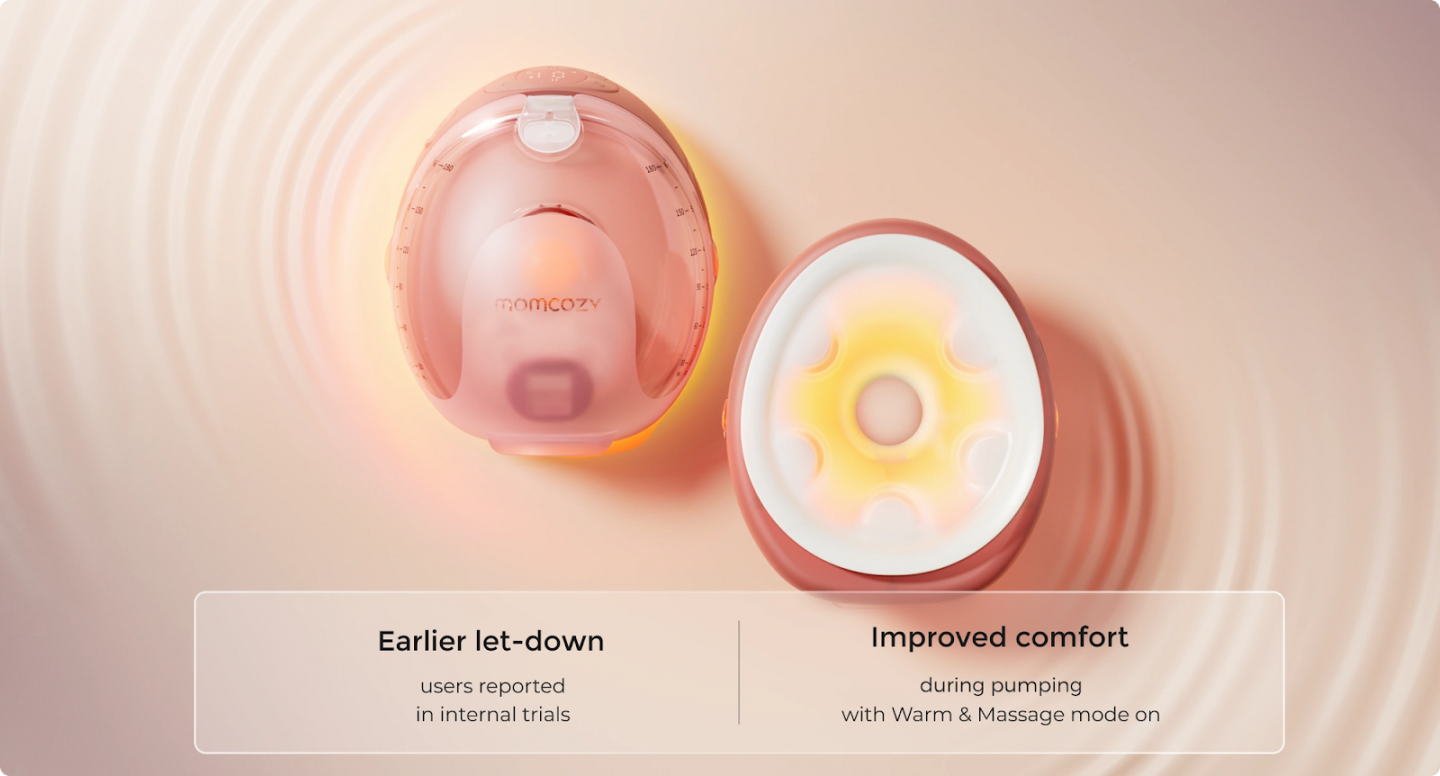
Today’s advanced pumping technologies, such as the Momcozy W1 Warm Massage Wearable Pump integrate warmth and massage into the pumping experience, offering a proactive way to reduce the risk of duct blockages while improving comfort and efficiency.
Why Constant Heat Prevents Milk from Stagnating in the Ducts
Clogged ducts occur when milk flow slows or stops in one area, causing it to build up and create a tender, swollen “plug.” Warmth plays a critical role in preventing this stagnation by affecting both the milk and the tissues that surround the ducts.
Heat Improves Circulation and Tissue Relaxation
Warmth causes small blood vessels to dilate, increasing blood flow to the breast tissue. This improved circulation has several benefits:
- Improved oxygen and nutrient delivery to tissues
- Relaxed muscles around milk ducts
- Less tension in connective tissue
When these tissues are relaxed, milk can flow more smoothly and is less likely to pool in one spot.
Heat Reduces Milk Viscosity
Milk that sits in one area for too long tends to thicken and become more resistant to flow. When warmth is applied:
- Milk becomes less viscous
- Fluid moves more freely through the ducts
- Blockages are less likely to form
This is similar to how warming syrup or honey makes it pour more easily—the internal resistance drops and the fluid moves with less effort.
What Makes a Massage Pump More Effective Than Manual Compression
Manual compression—using hands to rub or apply pressure to the breast—can help shift milk and ease a blockage, but it has limitations. In contrast, a massage pump combines warmth and motion in a way that is both consistent and targeted.
Key Differences Between Manual and Mechanical Massage
| Feature | Manual Compression | Massage Pump |
| Consistency | Varies by person | Stable, repeatable motion |
| Duration | Limited by fatigue | Can run for set cycles |
| Intensity | Hard to control | Adjustable levels |
| Warmth | Requires separate application | Integrated and sustained |
Manual efforts can be tiring, inconsistent, and hard to sustain long enough to be effective. A massage pump, however, offers controlled patterns of motion paired with warmth that can reach deeper into tissues without fatigue.
Why Motion Matters
The rhythmic motion of a massage pump can encourage:
- Improved lymphatic flow
- Gentle displacement of milk
- Relaxed connective tissue around the ducts
This helps maintain flow before a buildup becomes a clog, and supports the body’s natural clearing mechanisms more effectively than repeated hand pressure.
Comfort Is Critical
Massage pumps are designed with comfort in mind—soothing motions reduce stress responses that can tighten tissue and restrict flow. In contrast, manual compression may inadvertently cause discomfort if pressure isn’t applied evenly.
How the Momcozy W1 Warm Massage Wearable Pump Targets Specific Hard Spots
The Momcozy W1 Warm Massage Wearable Pump is engineered to bring warmth and motion together in a thoughtful, strategic way.
Integrated Warmth and Massage
Unlike standard pumps that rely solely on suction, the W1 features:
- Adjustable warmth levels
- Customizable massage rhythms
- Wearable, hands-free design
This blend allows warmth to loosen tissue and decrease milk viscosity while massage motion stimulates fluid movement and relaxation.
Targeted Relief for Hard Spots
Clogged ducts often occur in small, specific areas—not across the whole breast. The W1’s design delivers focused warmth and gentle pulsations that can help pinpoint those stubborn regions.
Wearable and Hands-Free
Because the W1 is wearable, mothers can benefit from sustained, continuous warm massage without needing to hold or reposition anything. This allows for:
- Longer massage cycles
- Better positioning and drainage
- Less fatigue compared to manual massage
Continuous warmth and motion create conditions where blocked milk is less likely to linger.
Adjustable Modes for Personalized Comfort
Not all breasts are the same—sensitivity, tissue density, and blockage location vary. The W1 provides multiple massage settings so mothers can find the combination that is most soothing and effective for them. Adjustable warmth allows personalization based on comfort, sensitivity, and response.
When to Start a Warm Massage Cycle to Clear a Stubborn Plug
Warm massage is most effective when used proactively as part of your regular pumping routine—and especially when signs of a clog begin.
Early Signs of a Developing Plug
Watch for:
- Localized tenderness
- Small lump that doesn’t move
- Warmth and soreness around a specific area
- Milk flow that suddenly slows or stops from one section
These early cues mean milk is beginning to stagnate and warmth combined with massage can help prevent a full blockage.
Before Pumping
Starting a warm massage cycle just before pumping can prime milk ducts and loosen any developing tightness. This often encourages:
- Better initial let-down
- More consistent flow
- Reduced risk of discomfort during suction
During Pumping
If milk flow slows or discomfort develops mid-session, switching to or maintaining warm massage can help sustain flow and prevent milk from backing up in the ducts.
After Feeding or Pumping
Using warmth and massage after a session encourages lingering milk to clear and supports tissue recovery. This can be especially helpful during cluster feeding or long days of frequent nursing.
Persistent or Painful Lumps
If a plug feels particularly stubborn or painful, increase the warmth and massage duration—but always within your comfort zone. Persistent symptoms may also benefit from:
- Warm compresses
- Frequent position changes during feeding
- Gentle motion (e.g., circular massage toward the nipple)
If pain or swelling persists beyond 24–48 hours, or if you develop fever or flu-like symptoms, consult a healthcare provider to rule out mastitis or infection.
Additional Tips to Prevent Clogged Ducts
Vary Feeding Positions
Rotating feeding or pumping positions can help drain different parts of the breast more completely. This reduces the likelihood that milk remains trapped in one area.
Frequent Emptying
Regular milk removal—through nursing or pumping—keeps milk moving. Long gaps between sessions increase the risk of stagnation and blockages.
Hydration and Rest
Staying well-hydrated and rested supports the body’s natural lymphatic and circulatory systems, making blockages less likely.
Gentle Breast Care
Avoid tight clothing or underwire bras that put pressure on the breast tissue—compression from clothing can contribute to stagnation.
Conclusion
Clogged milk ducts are uncomfortable but preventable—and the combination of warmth and massage plays a powerful role in keeping milk moving. Heat promotes circulation, reduces milk viscosity, and prepares tissues for efficient flow, while rhythmic motion supports lymphatic drainage and relaxation.
Massage pumps—especially wearable, warmth-integrated systems like the Momcozy W1 Warm Massage Wearable Pump—offer consistent, gentle, targeted relief that outperforms manual compression alone.
By integrating warm massage into your pumping routine—before, during, or after sessions—you can reduce the likelihood of clogged ducts and make pumping a smoother, more comfortable experience.