
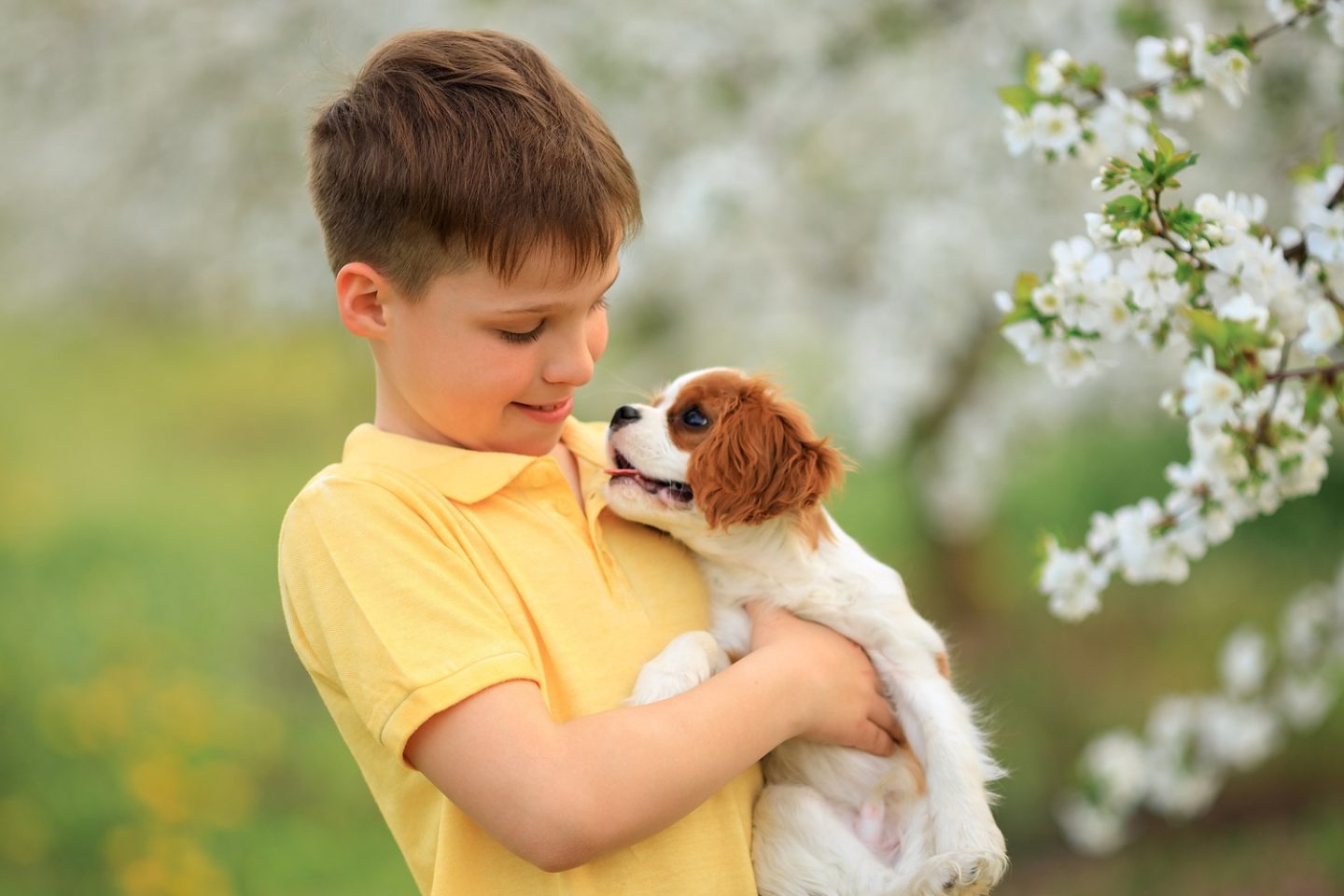
Emotional and Psychological Growth
Having pets can lead to significant emotional and psychological growth in children. Pets can help kids build trust, develop empathy, and provide comfort. This bond can shape their personality and support their mental health in many positive ways.
Building Trust and Self-Esteem
When you have a pet, kids learn to build trust. Pets rely on them for care, and this responsibility can boost a child’s self-esteem. For example, feeding, walking, or grooming a pet teaches them important life skills.
With each task completed, your child feels a sense of accomplishment. This can lead to greater confidence in themselves. The unconditional love from a pet also reassures children that they are worthy of affection. They learn to care for someone else, which creates a strong bond of trust.
Fostering Empathy and Compassion
Pets play a crucial role in developing empathy. When children interact with animals, they learn to recognize feelings in others. For instance, a child might notice when their dog is happy or anxious.
This observation helps them understand emotions better. Caring for animals fosters compassion. Kids who own pets are often more sensitive to the feelings of others, leading to better relationships with peers and family. Pets encourage children to express their feelings, further enhancing emotional intelligence.
Providing Comfort and Companionship
Pets offer emotional support that can be especially comforting. When children experience stress or sadness, a pet can be there to provide love and companionship.
Having a furry friend can reduce anxiety and boost mood. Children often talk to their pets, which helps them process their emotions. This companionship creates a safe space for children to express themselves freely.
With a pet, your child develops a reliable friendship. This bond can help them feel more secure in themselves and their surroundings.
Teaching Responsibility and Life Skills
Having a pet can be a wonderful way for your child to learn valuable lessons in responsibility and life skills. By caring for a pet, children can experience nurturing behaviors, understand the importance of routines, and learn to respect boundaries.
Nurturing and Caregiving Lessons
Caring for a pet teaches your child how to nurture another living being. They learn activities such as feeding, grooming, and exercising a pet. This responsibility helps kids develop empathy and compassion.
When children see that their pet relies on them for food and love, they begin to understand the importance of caring for others.
Here are some caregiving tasks your child can help with:
- Feeding the pet on a regular schedule
- Walking dogs or playing with cats
- Grooming and bathing pets
These activities promote a sense of accomplishment and caring behaviors that can extend to other areas of life.
Understanding Commitment and Routine
Having a pet requires commitment. Your child will learn that caring for a pet isn’t just a one-time effort. It includes daily routines that are vital for the pet’s health and happiness.
Children learn to maintain a schedule for feeding, walks, and playtime. This structure can help them develop better time management skills.
Regular activities include:
- Morning feedings
- Evening walks
- Weekly vet visits
These commitments teach your child the importance of being dependable and sticking to responsibilities over time, which is a skill they’ll carry into adulthood.
Learning Respect and Boundaries
Pets also help children learn respect and boundaries. Your child will understand that pets have their own needs and feelings. They will learn how to observe when a pet is happy or when it needs space.
Teaching your child to approach pets gently and to recognize signs of discomfort fosters deep respect for others, whether human or animal.
Key points include:
- Understanding personal space
- Learning to ask before petting someone else’s animal
- Recognizing a pet’s body language
These lessons in respect and boundaries can help shape your child’s social skills and improve their relationships with others.
Physical Health and Well-Being
Having pets can significantly enhance children’s physical health and well-being. From promoting activity levels to strengthening their immune systems, pets offer unique benefits that can make a positive impact on family life.
Encouraging Physical Activity
Owning a pet encourages kids to be more active. Taking a dog for a walk or playing fetch in the backyard gets children moving. This regular activity helps build strength, coordination, and endurance.
- Daily Exercise: Walking or running with your pet helps combat sedentary habits.
- Playtime: Engaging in games with pets boosts energy levels and mood.
Spending time outdoors with pets promotes healthy lifestyle choices and helps children become more social.
Boosting Immune System and Reducing Allergies
Having pets early in life may strengthen a child’s immune system. Studies show that kids who grow up with pets often have lower rates of allergies and asthma.
- Exposure to Allergens: Pets introduce children to various environmental allergens. This exposure can help build tolerance.
- Healthy Microbiome: Interaction with animals supports a diverse microbiome, which is crucial for immune health.
This connection between pets and better immunity makes having a family pet a wise choice for many households.
Supporting Healthy Lifestyle Habits
Caring for a pet teaches children important life skills. Feeding, grooming, and exercising their pets help kids build responsibility and routine.
- Routine Tasks: Snack times and play schedules create a sense of structure in daily life.
- Empathy Development: Caring for an animal fosters compassion and understanding for others.
These habits not only encourage responsibility but also instill values that benefit children’s relationships both with pets and people.
Social Development and Communication
Having pets can significantly enhance how children interact with others and express themselves. By fostering social skills and encouraging positive communication, pets play a vital role in a child’s emotional growth.
Enhancing Social Skills
Pets can act as social bridges for children. When you own a pet, your child engages with other pet owners during walks or at parks. These interactions help your child practice essential skills like communication, negotiation, and empathy.
Your child learns to observe how animals behave, allowing them to understand non-verbal cues. This knowledge translates into better interactions with peers and adults. Children become more confident in initiating conversations and can even learn to share responsibly while discussing their pets with others.
Confidence Through Pet Interaction
Your child’s self-esteem benefits greatly from pet ownership. When they care for a pet, they develop a sense of responsibility that boosts their confidence. Fulfilling tasks like feeding, walking, or grooming a pet helps them feel accomplished.
Additionally, pets provide a non-judgmental space where kids can express themselves freely. Whether they are reading, singing, or just talking, pets encourage children to communicate. This safe environment allows your child to practice language skills without fear, leading to greater verbal expression in social settings.
Strengthening Family Bonds
Pets can also help strengthen family relationships. Caring for a pet together promotes teamwork and shared responsibilities among family members. This bond can create lasting memories and increase positive family interactions.
Engaging in pet-related activities—like playing fetch or going for walks—can be a fun way to spend time together. These shared moments allow family members to communicate better and provide support to each other. In turn, your child learns about cooperation and empathy not only toward their pet but also within the family.
Cognitive and Educational Advantages
Having pets can significantly support your child’s learning and educational experiences. Pets not only provide companionship but also encourage skills like motivation and focus that are essential for academic success.
Supporting Learning Through Reading
Pets can create a relaxed environment for your child to read. Reading aloud to a pet offers a non-judgmental audience, which can help reduce anxiety. Your child may feel more comfortable practicing their reading skills without the pressure of an adult listener.
Many programs encourage children to read to animals, especially dogs. This interaction can boost their confidence and improve their reading fluency. When kids see their pet’s positive reactions, it motivates them to engage more with books.
Benefits include:
- Increased confidence
- Enhanced vocabulary
- Improved fluency
Developing Motivation and Focus
Caring for a pet requires responsibility, which can help develop your child’s motivation. Having a routine for feeding, walking, and playing with a pet teaches them to prioritize tasks and manage their time.
Additionally, interacting with pets can boost concentration. The calming presence of a pet helps reduce distractions, allowing your child to focus better on homework or study sessions.
Key advantages:
- Enhanced responsibility
- Better time management
- Improved focus during tasks
These cognitive benefits can help your child thrive academically while fostering a loving bond with their pet.
Life Events and Personal Growth
Pets can help children navigate significant life events. They provide support during tough times and help kids learn important lessons about change and loss. Two key areas include understanding grief and appreciating different life stages.
Understanding Bereavement and Grief
When a family pet passes away, it can be a child’s first experience with loss. This moment is crucial for learning about grief. You can support your child by discussing their feelings openly.
Encourage them to express emotions through stories or art. This can help them process what they are going through.
Tips for discussing grief:
- Acknowledge feelings: Let them know it’s okay to be sad.
- Share memories: Talk about happy moments with the pet.
- Create a memorial: This can be a drawing, a scrapbook, or a special spot in the garden.
These actions can help your child understand that grief is a natural part of life. It teaches them about love and the importance of cherishing memories.
Appreciating Life Stages and Change
Having a pet also teaches children about the natural changes in life. As pets age, they will notice these changes and may ask questions. This opens the door to discussions about growing up and life’s different stages.
For example, you can highlight how your pet slows down or requires extra care. This teaches responsibility and empathy.
Key points to discuss:
- Stages of life: Explain how pets grow from playful puppies or kittens to seniors.
- Health care routines: Involve them in vet visits or grooming to foster compassion and responsibility.
- Life Lessons: Use these moments to talk about aging, caring for others, and the cycle of life.
These conversations can foster a deep appreciation for life and its changes. They help your child grow into a more empathetic and responsible individual.