
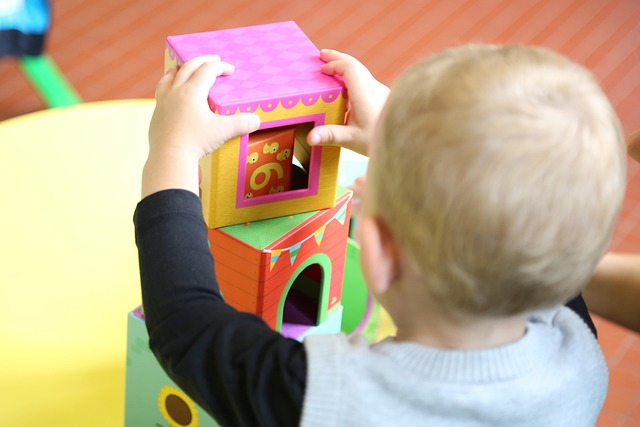
Crafting a kid-friendly space is about infusing creativity with practicality. From selecting the right furniture and colours to designing the perfect layout, creating a child-friendly room can transform any area of your home into a haven of safety, joy, and organisation. Soft textures, calming colours, and clever storage solutions promote both playtime and tranquillity, while ensuring everything is safe and adaptable for your little one’s growth and exploration. Every element contributes to a room where they can thrive, learn and feel at home, whether it’s a reading nook or a craft station.
Laying the Foundation: What Makes a Space Truly Kid-friendly?
Kid-friendly spaces blend creativity with functionality, combining safe designs with elements that encourage independence and imagination.
Prioritising Safety at Every Turn
Safety is an absolute top priority when designing a child’s space. Covering electrical outlets and anchoring furniture are foundational steps. Cushion sharp corners with protectors and use non-slip mats to minimise accidents. Safe storage solutions for toys and other items minimise clutter and keep dangerous objects out of curious hands. Use childproof locks on cabinets and drawers, and place safety gates at strategic locations. Remember, a safe space not only provides peace of mind for parents but also freedom for children to play and explore.
Balancing Fun with Functionality
Spaces that strike a balance between fun and functionality not only improve playtime but also support learning. Choosing multi-functional furniture, such as a toy chest doubling as extra seating, maximises space. Bright and bold colours inject vivacity into a room, but it’s important not to neglect practical features such as washable paint or durable fabrics. Engaging décor elements like chalkboard walls or interactive art pieces can spark creativity and imagination. Keep the room organised with clearly labelled storage bins so that it’s easy for kids to find toys and other necessities and store them away after use. A functional and balanced space adapts as your child grows, meeting their evolving needs.
Encouraging Independence and Creativity
A kid-friendly space should empower independence and nurture creativity. Arrange furniture to allow easy access to essential items to promote self-reliance. Offer a variety of creative outlets like an art corner stocked with crayons, paper, and modelling clay. Toy rotation helps maintain interest and prevents overwhelm. Designating a cosy corner with age-appropriate books fosters reading habits. Interactive play stations can encourage problem-solving and critical thinking skills. A kid-friendly space empowers children to use their imaginations and be proud of their own abilities.
Designing with Heart: Bringing Your Kid-Friendly Concept to Life
Bring your kid-friendly space to life with colours that spark creativity, furniture that grows with your child, smart toy and book storage solutions, and versatile play zones. If you’re working with an architect or designer, consider the value of architectural visualisation London services to better visualise your design ideas and ensure the space is optimised for both style and functionality. By focusing on these elements, you can create a vibrant, adaptable environment suited to your child’s evolving needs.
Choosing Colours That Spark Imagination
Colour is a powerful tool in crafting a child’s world. Bright yellow energises, while soft blue calms the spirit. Choose bold colours that promote creativity while balancing them with neutral tones to avoid overstimulation.
Accent walls or vibrant curtains can introduce colour in a controlled manner, allowing easy updates as your child’s preferences change. Colourful artwork or removable wall stickers are also a way to maintain vibrancy and flexibility.
Furniture Selection That Grows with Your Child
Invest in furniture that will adapt to your child as they grow. Look for pieces that can evolve and have multiple functions. Convertible cribs that transform into toddler beds and adjustable-height desks are practical options.
Modular furniture or furniture with extendable features provide versatility and save money over time. Durability and safety are essential, ensuring fabrics are easy to clean and surfaces are free of sharp edges.
Smart Toy and Book Storage Solutions
Designated spaces for toys and books not only organise the room but also keep essential items accessible. Use labelled bins or baskets for toys, allowing children to easily find and return toys. Bookshelves should be low enough for children to reach and encourage exploration of books.
Floating shelves are a space-saving storage option. If you have limited space, consider under-bed storage or multifunctional furniture with hidden compartments.
Incorporating Play Zones for All Ages
Play zones tailored to different age groups and activities can be created in a kid-friendly space. Designate areas with soft mats and age-appropriate toys for younger children. An older child might require a nook for reading or crafting.
Flexible spaces with movable furniture can easily adapt and transform the area as needed, whether it’s for puppet shows or homework sessions. Set up zones with varied textures and elements like an art station or a LEGO table for engagement and versatility.
Cosy Touches and Finishing Flourishes
Adding personalised elements that reflect warmth and comfort can create a truly kid-friendly space. Textiles, décor, and lighting are essential in creating a cosy ambience.
Using Textiles for Warmth and Comfort
Textiles are the easiest way to transform a room. Plush rugs offer a soft surface for playing. One of the significant advantages of washable rugs for families is their practicality and ease of cleaning, making them an excellent choice for homes with young children. Throws and blankets add both warmth and a pop of colour. Choose machine-washable materials that are simple to clean and more durable for younger children. Bedding featuring fun patterns or cartoon characters can help your child to express themselves. Floor cushions or bean bags provide alternative seating options and are easily moved around. Curtains in fun prints or patterns not only enhance the room’s look but also help to control natural light.
Personalising the Space with Meaningful Décor
Displaying artwork or creating a gallery wall of your child’s artwork personalises the space. Decor can also be a great way to make them feel special and boost their confidence.
Consider incorporating name plaques or alphabet letters. Choose themed décor accessories like pillows or wall stickers that match their favourite subjects or hobbies. Always make sure that décor items are safe and avoid any that have small components that can be a choking hazard.
Lighting Choices to Set the Perfect Mood
Lighting also has a significant impact on the room’s overall ambience. Having several light sources in a room offers more flexibility.
A ceiling light in the centre provides the illumination you require, while playful lamps also double as decor pieces. String lights or fairy lights can add a touch of whimsy. Dimmer switches allow you to control the brightness, making them perfect for bedtime routines. Consider nightlights with kid-friendly designs for comfort and visibility during the night. Choose warm-toned light bulbs that give off a soft glow, which is perfect for creating a soothing ambience.
Conclusion
Designing a kid-friendly space is a combination of functionality and play, safety and creativity, all working together in harmony. Selecting adaptable furniture, vibrant colours, smart storage solutions, and personalised décor can transform a dynamic, nurturing space that will grow with your child. By working with interior designers or architects who offer architectural visualisation London you will be able to visualise your end goal and keep it working for you and your kid, and whether it’s using washable rugs for ease of cleaning or incorporating themed décor that reflects your child’s interests and personality. Every element plays a vital role in creating a space that welcomes play, peace, and comfort.